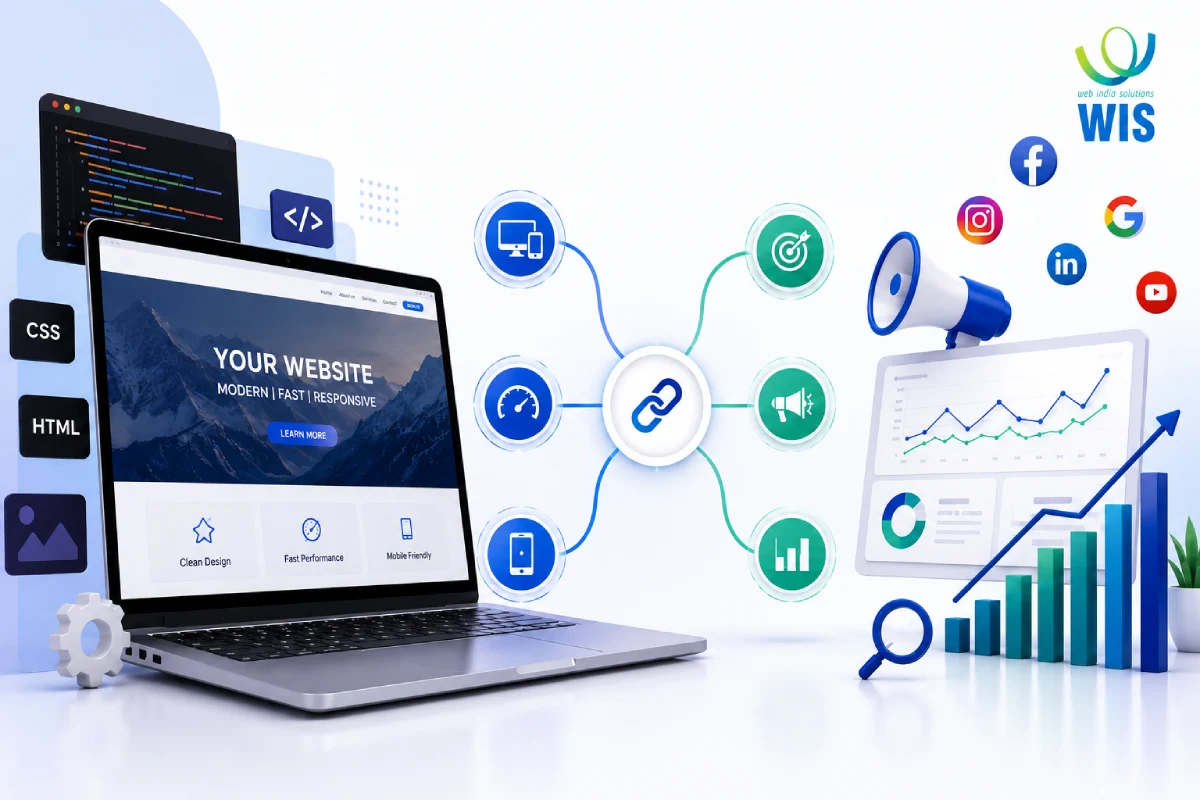
In today’s digital-first world, your website is far more than an online brochure. It is often the first interaction a potential customer has with your brand, a 24/7 sales tool, and a major factor in whether someone chooses your business over a competitor. Whether you are a startup, a growing company, or an established enterprise, investing in a professionally built website is one of the most important decisions you can make.
But choosing the right agency to build your website is just as important as deciding to create one. With so many companies offering website development services, it can be difficult to know which partner is truly reliable. A polished portfolio or low pricing may look attractive at first, but those alone do not guarantee quality, performance, or long-term support.
Before you sign a contract, it is essential to understand what separates a dependable agency from the rest. This website development checklist will help you evaluate your options with confidence and make a smarter investment for your business. If you are looking for a trusted website development company in Kochi, this guide will help you ask the right questions and choose the right partner.
Why Choosing the Right Website Development Agency Matters
A professionally developed website is not just a design project. It is a business asset that influences your online visibility, customer trust, search engine rankings, and conversion rates. A poorly developed website, on the other hand, can lead to slow loading times, security issues, weak user experience, and poor search performance.
Many businesses make the mistake of choosing an agency based only on price. While budget matters, selecting the cheapest option often creates bigger expenses later, such as redesigns, technical fixes, lost leads, and missed opportunities.
A reliable website development agency takes time to understand your business goals before writing a single line of code. They focus on building websites that look professional, perform smoothly, and support your long-term growth across devices and search engines.
Website Development Checklist Before Hiring an Agency
1. Define Your Business Goals Clearly
Before approaching any agency, be clear about what you want your website to achieve.
Ask yourself:
- Do you want to generate leads?
- Are you planning to sell products online?
- Do you need appointment bookings?
- Is your goal to build brand awareness?
- Will the website serve as an information hub?
When your goals are clearly defined, the agency can recommend the right structure, features, and technology instead of offering a generic solution.
2. Review Their Portfolio in Detail
An agency’s portfolio gives you a strong idea of its experience, creativity, and technical ability.
Do not stop at the visual appearance. Visit the websites they have built and evaluate:
- Loading speed
- Mobile responsiveness
- Navigation
- User experience
- Design consistency
- Functionality
- Placement of call-to-action buttons
If possible, check whether those websites perform well on Google. A website that looks attractive but fails to bring traffic or conversions is not delivering real value.
3. Check Their Industry Experience
Every industry has different website requirements. A good agency should understand those differences and build accordingly.
For example:
- Healthcare websites need secure handling of patient information
- E-commerce websites require smooth payment integration
- Educational websites may need course or admission management features
- Travel websites often need booking systems
- Real estate websites benefit from advanced property listing tools
An experienced website development company in Kochi will understand these industry-specific needs and suggest practical solutions based on real project experience.
4. Make Sure SEO Is Built Into the Website from the Start
Many businesses focus heavily on design but forget about search engine optimization during development.
SEO should not be added after the website is completed. It should be part of the development process from day one.
Ask whether the agency includes:
- SEO-friendly URLs
- Clean and structured code
- Fast-loading pages
- Mobile optimization
- XML sitemap setup
- Robots.txt configuration
- Image compression and optimization
- Proper heading hierarchy
- Schema markup
- Internal linking opportunities
A website built with SEO best practices has a much better chance of ranking well and attracting the right audience.
5. Ensure the Website Is Fully Mobile Responsive
A large share of website traffic now comes from smartphones and tablets. Your website must deliver a smooth experience on every screen size.
A responsive website should:
- Adapt to all devices
- Keep text readable
- Make navigation simple
- Include clickable buttons
- Load efficiently on mobile networks
Mobile responsiveness improves user satisfaction and also supports stronger search engine performance.
6. Ask How They Improve Website Speed
Website speed has a direct impact on user behavior. Visitors are likely to leave if a page takes too long to load.
Ask the agency how they optimize performance. Important speed factors include:
- Optimized images
- Efficient coding
- Browser caching
- Reliable hosting recommendations
- Content delivery network (CDN) integration
- Compressed files
- Fewer unnecessary plugins
Fast websites create a better user experience, reduce bounce rates, and improve conversion chances.
7. Discuss Website Security Measures
Security is one of the most important parts of modern website development. As cyber threats continue to grow, your website must be protected from the beginning.
A professional agency should implement:
- SSL certificates
- Secure hosting recommendations
- Malware protection
- Regular updates
- Firewall configuration
- Secure admin access
- Backup systems
- Protection against common attacks
Strong security protects both your business and your customers’ data, while also building trust in your brand.
8. Understand Their Development Process
A professional agency should follow a clear and structured process instead of jumping directly into design.
A typical website development process includes:
- Business requirement analysis
- Competitor research
- Website planning
- Wireframing
- UI/UX design
- Development
- Testing
- SEO optimization
- Client review
- Website launch
- Ongoing support
A transparent process helps avoid confusion, reduces delays, and ensures the final website aligns with your expectations.
9. Clarify Website Ownership Before You Begin
One important question many businesses forget to ask is: Who owns the website after the project is completed?
Make sure you retain ownership of:
- Domain name
- Website files
- Source code
- Database
- Content
- Images, where applicable
- Hosting account access
A trustworthy agency will clearly transfer ownership once the project is delivered.
10. Check Their Post-Launch Support and Maintenance
Launching a website is only the beginning. To stay secure, updated, and effective, your website needs ongoing care.
Ask whether the agency provides:
- Technical support
- Security updates
- Plugin updates
- Performance monitoring
- Regular backups
- Bug fixes
- Feature enhancements
Reliable post-launch support ensures your website continues to perform well as your business grows.
11. Ask About Content and Conversion Strategy
A website should do more than look good. It should guide visitors toward action.
A strong agency will help you with:
- Clear messaging
- Strategic call-to-action placement
- Service-focused content
- Lead generation forms
- Trust-building elements such as testimonials and case studies
- Conversion-friendly page structure
When content and design work together, your website becomes a powerful business tool instead of just a digital presence.
12. Compare Communication and Transparency
Good communication is a sign of a professional agency. You should feel confident that they understand your goals and keep you informed throughout the project.
Pay attention to whether they:
- Respond promptly
- Explain technical details clearly
- Share timelines honestly
- Provide regular updates
- Welcome feedback
- Set realistic expectations
Transparent communication helps build trust and reduces the risk of misunderstandings during development.
Final Thoughts
Choosing the right website development partner is one of the most important decisions you will make for your business. A well-built website can strengthen your brand, improve visibility, generate leads, and support long-term growth. By following this checklist, you can evaluate agencies more effectively and avoid costly mistakes.
If you are searching for a dependable website development company in Kochi, focus on experience, SEO knowledge, mobile responsiveness, security, support, and a clear development process. The right agency will not just build a website—they will build a digital foundation for your business success.
Why Choose WebIndia Solutions
At WebIndia Solutions, we believe a website should do more than exist online. It should attract the right audience, create trust, and help your business grow. As a trusted website development partner, we focus on building websites that are visually appealing, technically strong, SEO-friendly, and designed to convert visitors into customers.
Here is why businesses choose WebIndia Solutions:
- Custom website solutions tailored to your business goals
- SEO-focused development to improve search visibility
- Mobile-responsive design for a seamless experience on every device
- Fast-loading websites built for performance
- Secure development practices to protect your business and users
- Transparent communication throughout the project
- Reliable post-launch support to keep your website running smoothly
Whether you need a corporate website, business website, e-commerce platform, or a complete redesign, WebIndia Solutions delivers solutions that combine strategy, design, and technology.
If you are looking for a professional website development company in Kochi that understands both business needs and digital growth, WebIndia Solutions is ready to help you build a website that works for your brand today and supports your success tomorrow.